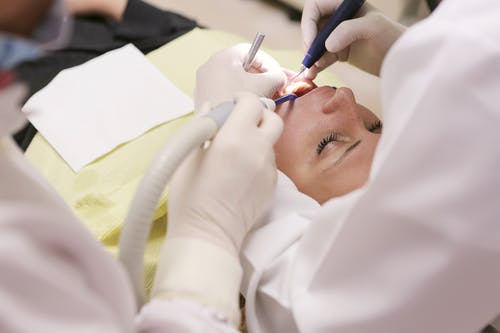
Getting your wisdom teeth out can feel like a rite of passage—until you realize your favorite crunchy snacks are suddenly your biggest enemy. The first few days after surgery are mostly about two things: helping your mouth heal and keeping you comfortable. Food plays a huge role in both, because the wrong bite at the wrong time can irritate the surgical sites, trigger bleeding, or even increase the risk of a painful complication like dry socket.
The good news is you don’t have to live on plain broth and sadness. With a little planning, you can eat in a way that supports healing, keeps your energy up, and still tastes good. This guide breaks down what to eat after wisdom teeth removal, what to avoid, and how to time your meals so you’re not accidentally setting yourself back.
How healing changes what your mouth can handle
After wisdom teeth removal, your gums and jaw go through a predictable healing process. In the first 24–72 hours, your body is forming blood clots in the extraction sites and ramping up inflammation to start repairing tissue. That’s why soft foods and gentle temperature choices matter so much early on—anything too hard, too hot, or too “pokey” can disturb the clot.
As the days pass, swelling typically starts to ease and you can gradually increase texture. But “gradually” is the key word. Even if you feel better on day four, the tissue underneath is still healing. Think of it like a scab you can’t see; you want to protect it while it strengthens.
Also, keep in mind that chewing uses your jaw muscles, which may be sore. Some people can chew lightly within a few days; others need longer. Your best guide is your comfort level and your dentist’s post-op instructions.
The first 24 hours: the comfort-food phase (soft, cool, and easy)
The first day is about being gentle. Stick to foods that require minimal chewing and won’t irritate the extraction sites. Cool or room-temperature foods are usually more comfortable than hot foods, especially if you’re swollen.
On day one, you’re also trying to avoid anything that could increase bleeding. That means skipping hard chewing and avoiding vigorous swishing. Many people do best with small, frequent “mini meals” rather than trying to eat a big plate of food all at once.
Best choices for day one
Yogurt, pudding, applesauce, and smoothies (without seeds) are classic options for a reason. They’re easy to swallow, gentle on your mouth, and can be surprisingly filling if you add protein (like Greek yogurt) or healthy fats (like nut butter—if it’s smooth and you can tolerate it).
Mashed potatoes, pureed soups, and oatmeal can also work well, as long as they’re not piping hot. Let hot foods cool down before eating. Warm is usually fine; “fresh off the stove” is not.
Scrambled eggs are another great early choice: soft, high in protein, and easy to portion. If you’re not feeling hungry, a few bites at a time still help keep your energy up.
Texture tips that make a big difference
Even “soft” foods can cause trouble if they have hidden texture. For example, smoothies can be a problem if they contain chia seeds, berries with tiny seeds, or granola. Those small bits can get lodged near the extraction sites and irritate the area.
Blended soups are great, but strain them if they contain fibrous pieces (like kale stems) or small chunks. The goal is smooth, cohesive foods that slide down easily and don’t require you to chew much.
And yes—eat with a spoon, not a straw. Suction can dislodge the clot and increase your risk of dry socket.
Days 2–3: keep it soft, add more protein, and stay hydrated
By day two, many people feel a little more functional, but swelling can still be present. This is the stage where you can start expanding your menu while keeping the “soft and safe” rule front and center.
Your body is doing a lot of repair work, and protein supports that. If you can comfortably add more protein-rich foods, you’ll often feel better and recover more smoothly.
Soft foods that actually feel like a meal
Mac and cheese, soft pasta, and well-cooked noodles can be a welcome upgrade from purees. Keep portions small and chew gently, ideally away from the surgical sites if possible.
Soft fish (like baked salmon that flakes easily) and shredded chicken can work if you’re careful and the pieces are tiny. If chewing feels tiring, you can mix protein into softer bases—think shredded chicken stirred into mashed potatoes or very soft rice.
Cottage cheese, hummus, and soft tofu are also helpful options. They’re protein-forward and don’t require much chewing.
Hydration and healing: what to sip (and what to skip)
Water is your best friend. It keeps your mouth from feeling dry, supports circulation, and helps you feel more normal. If your dentist recommended a gentle saltwater rinse after the first day, hydration also helps keep tissues comfortable between rinses.
Avoid alcohol while you’re healing—especially if you’re taking prescription pain meds or antibiotics. Alcohol can also dry out tissues and may interfere with clot stability.
Be cautious with carbonated drinks early on. Some people tolerate them fine after a few days, but the bubbles and acidity can be irritating for others. If you try soda, go slow and stop if it stings.
Days 4–7: easing back into normal foods without rushing it
For many people, this is when things start to feel significantly better. Swelling tends to drop, jaw movement improves, and you may be ready for foods with a bit more texture.
That said, the extraction sites are still healing. You want to avoid foods that can poke, scrape, or get stuck. Think “soft-normal”—foods that feel like regular meals but don’t involve crunching, tearing, or aggressive chewing.
Foods that feel normal but stay gentle
Soft sandwiches (like egg salad or tuna salad on very soft bread) can work well. Skip crusty bread, toasted bread, and anything with seeds.
Rice bowls can also be okay if the rice is very soft and the add-ins are tender. Try well-cooked vegetables, soft beans, and finely shredded proteins. Keep spices mild if your mouth feels sensitive.
Pancakes, waffles (soft, not crisp), and muffins can be tempting, but watch for texture. Avoid crunchy edges and crumbly toppings that can scatter into the healing area.
How to know you’re advancing too fast
If you notice increased pain during chewing, fresh bleeding, throbbing that ramps up later in the day, or irritation that doesn’t settle after rinsing, you may have pushed texture too quickly. It’s not a failure—it’s just your body giving feedback.
When that happens, go back to softer foods for a day or two and focus on hydration and gentle oral care. Healing isn’t perfectly linear; it’s normal to have “better days” and “more tender days.”
If pain suddenly gets worse around days 3–5, especially with bad breath or a bad taste, contact your dentist to rule out dry socket or infection.
Foods to avoid (and why they’re risky)
It’s not just about avoiding pain. Certain foods can physically disrupt the clot, wedge into the extraction sites, or irritate tissue. Avoiding them early can save you from setbacks and extra dental visits.
When in doubt, ask yourself: “Will this crumble, crunch, stick, or sting?” If the answer is yes, skip it for now.
Crunchy, hard, and sharp foods
Chips, popcorn, crackers, nuts, and hard pretzels are some of the most common culprits for irritation. They’re sharp, they break into tiny pieces, and they can lodge near the surgical sites.
Crusty bread and pizza crust also fall into this category. Even if the toppings are soft, the crust can require the kind of chewing you don’t want to do while healing.
Raw vegetables like carrots and celery are healthy, but save them for later. If you want veggies early, cook them until they’re very tender or blend them into soup.
Sticky, chewy foods
Caramels, taffy, gummy candies, and chewing gum can pull at healing tissue and make your jaw work harder than it should. Sticky foods are also more likely to cling around the extraction sites.
Bagels, tough meats, and jerky can strain your jaw and increase soreness. Even if you can technically chew them, they’re not worth it while you’re still recovering.
If you’re craving something sweet, go for soft options like pudding, ice cream (without crunchy mix-ins), or a very soft cake without sprinkles or nuts.
Spicy, acidic, and very hot foods
Spicy foods can cause a burning sensation and irritation, especially if your gums are sensitive. Acidic foods like citrus, vinegar-heavy dressings, and tomato-based sauces can sting and slow down comfort even if they don’t directly harm healing.
Very hot foods and drinks can increase bleeding risk in the early phase and may feel unpleasant against swollen tissues. Warm is usually okay, but give your coffee and soup time to cool.
You don’t have to avoid flavor completely—just keep it mild and build back up once your mouth feels normal again.
Dry socket: the food and habit mistakes that raise your risk
Dry socket happens when the blood clot in the extraction site is dislodged or dissolves too early. It can cause significant pain and delay healing. Not everyone gets it, but it’s common enough that it’s worth taking seriously.
Food choices and eating habits can influence your risk. The goal is to protect the clot and keep the area clean without overdoing it.
Skip straws and suction (even if you feel fine)
Using a straw creates suction, and suction can pull the clot out. This is one of the most common avoidable causes of dry socket. Even if your smoothie is perfectly blended, drink it from a cup or use a spoon.
The same idea applies to forceful spitting. Try to let saliva fall out gently if you need to, rather than spitting with force.
If you’re a smoker or vape, ask your dentist for guidance—smoking is a major risk factor for dry socket because of both suction and the effects on healing tissues.
Be careful with “tiny bits” foods
Rice, quinoa, sesame seeds, strawberry seeds, and crumbly cookies can sneak into the extraction area. Even if they don’t cause dry socket directly, they can irritate the site and make it harder to keep things clean.
That doesn’t mean you’re doomed if something gets stuck. Gentle rinsing (when your dentist says it’s safe) often helps. But during the first week, it’s easiest to choose foods that don’t break into tiny particles.
If you’re hungry for something with more substance, opt for cohesive soft foods like mashed potatoes, scrambled eggs, or soft pasta rather than grainy or seedy textures.
Building a simple day-by-day eating plan
If you’re not sure what to eat, it helps to have a loose plan. You don’t need to follow a strict schedule; this is more like a menu framework you can adjust based on your comfort level.
Try to include protein at least a couple times a day, add calories if you’re feeling weak, and aim for steady hydration.
A gentle day-one menu
Breakfast: Greek yogurt (plain or vanilla) with honey (skip granola).
Lunch: Lukewarm blended soup (like potato or butternut squash).
Dinner: Scrambled eggs and very soft mashed potatoes.
Snacks: Applesauce, pudding, or a smoothie without seeds (no straw). If you’re using a smoothie for calories, blend in a spoonful of peanut butter or a protein powder you tolerate.
Keep portions small, take your time, and prioritize comfort over “perfect nutrition” on day one.
A days 2–3 menu that adds more fuel
Breakfast: Oatmeal made soft (let it cool), or cottage cheese with mashed banana.
Lunch: Mac and cheese or soft pasta with a mild sauce.
Dinner: Flaky fish with mashed sweet potato.
Snacks: Hummus (smooth) with very soft pita (if tolerated), or a protein shake sipped from a cup. You can also do ice cream, just avoid crunchy mix-ins.
If chewing is still uncomfortable, you can “upgrade” softness by chopping foods very small or blending parts of the meal.
A days 4–7 menu that feels closer to normal
Breakfast: Soft pancakes with syrup and a side of scrambled eggs.
Lunch: Egg salad on soft bread or a soft rice bowl with tender beans.
Dinner: Soft pasta with finely shredded chicken (if comfortable).
Snacks: Banana, avocado, smoothies, or soft muffins (no nuts). If anything feels irritating, step back to softer textures for a day.
By the end of the first week, many people can handle a wider variety of foods, but crunchy snacks and sharp textures often still need more time.
Keeping your mouth clean without disturbing healing
Food choices help, but oral hygiene is the other half of a smooth recovery. The tricky part is keeping things clean while being gentle around the extraction sites.
Your dentist will give you specific instructions based on your case, so always follow those first. In general, you’ll want to avoid vigorous rinsing early on, then transition to gentle saltwater rinses when advised.
Smart rinsing habits after meals
Once your dentist says it’s safe, a gentle warm saltwater rinse after eating can help keep the area clean and reduce irritation. The key word is “gentle.” You’re not trying to blast food out—you’re just encouraging loose debris to float away.
If you were given a syringe for irrigation, use it exactly as directed and don’t start early. Timing matters because the clot needs time to stabilize.
Even with good rinsing, choosing low-crumb foods early on makes everything easier and reduces the chance of irritation.
Brushing and protecting sensitive areas
Brush the rest of your teeth as normal, but be cautious near the surgical area. A soft-bristled toothbrush and slow, careful movements are your friend here.
If your jaw is sore, take breaks. It’s better to do a gentle, thorough clean in stages than rush and accidentally bump the healing tissue.
As you heal, getting back to your normal routine helps maintain gum health—especially if you had wisdom teeth removed because the area was hard to keep clean in the first place.
When your overall dental routine matters more than you think
Wisdom teeth recovery is temporary, but the habits around it can affect your mouth longer-term. After surgery, some people realize they’ve been avoiding certain back teeth while brushing because it’s uncomfortable or hard to reach. That can lead to plaque buildup, gum irritation, and sensitivity.
Once you’re healed, it’s a great time to reset your routine—especially if you’ve been meaning to get back on track with regular preventive care. If you’re in the Beaumont area and you’re planning your next checkup, a helpful starting point is booking a dental cleaning beaumont tx so your hygienist can remove buildup you might have missed during recovery and your dentist can check that everything is healing well.
That kind of preventive visit can also be a good moment to ask questions about brushing near the back molars, whether a water flosser makes sense for you, and how to keep the gumline calm if you’re prone to inflammation.
Eating well for healing: nutrients that support recovery
Soft foods don’t have to be low-nutrition foods. With a little strategy, you can get plenty of protein, vitamins, and minerals while still protecting the extraction sites.
Think of this as a short “healing diet” phase: you’re choosing foods that are easy to eat, but also doing a quiet job in the background—supporting tissue repair.
Protein: your recovery MVP
Protein supports tissue rebuilding and helps keep you full when you’re not eating crunchy snacks. Great soft options include Greek yogurt, eggs, cottage cheese, soft fish, tofu, and well-cooked beans (mashed if needed).
If you’re using protein powder, pick one that blends smoothly and doesn’t have gritty add-ins. Drink it from a cup and keep it cool or room temperature.
If you’re struggling to eat enough, aim for protein at breakfast and dinner, then add a protein snack in between.
Fiber and micronutrients without rough textures
Fiber helps keep digestion moving—important if you’re taking pain medication that can cause constipation. Soft fiber sources include mashed avocado, blended soups with beans, applesauce, and very ripe bananas.
For vitamins and minerals, blended vegetable soups are underrated. You can pack in carrots, squash, spinach (blended smooth), and lentils for a meal that’s both gentle and nutrient-dense.
If citrus stings, skip it early on and choose non-acidic options like bananas, melons, or cooked fruits.
Special situations: braces, sensitive teeth, and cavity-prone mouths
Not everyone goes into wisdom teeth removal with the same dental background. If you have braces, attachments, sensitive enamel, or you’re prone to cavities, your post-op eating choices matter in a slightly different way.
Soft foods can be higher in carbs and sugars (think pudding, ice cream, and mashed potatoes). That’s totally fine short-term, but you’ll want to balance it with good cleaning and smart choices so you don’t trade one problem for another.
If you’re eating more sweets than usual
It’s common to lean on sweet soft foods when chewing hurts. If that’s you, try to keep sweets as part of meals rather than constant snacking all day, since frequent sugar exposure increases cavity risk.
Rinse gently with water after eating (when safe) and brush the rest of your teeth carefully. Even a quick water rinse can help reduce how long sugars sit on your enamel.
When you’re ready, shifting toward savory soft foods—eggs, soups, fish—can help rebalance your diet without sacrificing comfort.
Longer-term protection for molars
Once you’re healed, it’s worth thinking about how to protect the chewing surfaces of your molars going forward. Those grooves can trap food easily, especially if you’ve had a hard time brushing around the back teeth in the past.
If your dentist recommends it, dental sealants beaumont tx can add a protective layer over those deep grooves, helping reduce the risk of cavities in areas that are naturally harder to clean.
This is especially relevant for teens and young adults, but adults can benefit too depending on their tooth anatomy and cavity history.
Planning ahead: what to buy before your appointment
The easiest recovery is the one where you don’t have to think too hard while you’re sore. A small grocery run before your procedure can set you up for a smoother week.
Focus on a mix of ready-to-eat soft foods and a few “meal base” items you can combine quickly.
A practical shopping list for the first week
Protein: eggs, Greek yogurt, cottage cheese, soft tofu, protein shakes.
Carbs: oatmeal, pasta, potatoes, soft bread.
Fruits/veg: applesauce, bananas, avocados, squash soup, blended veggie soups.
Comfort: pudding, ice cream (no crunchy bits), broth.
If you like smoothies, buy ingredients without seeds and skip add-ins like granola or chia. You can also prep and freeze smoothie packs so you can blend quickly without thinking.
Also consider picking up a few reusable ice packs for swelling and a soft-bristled toothbrush if you don’t already have one.
Meal prep that doesn’t feel like a project
You don’t need an elaborate plan. Even making one big pot of blended soup and a batch of mashed potatoes can cover multiple meals. Portion them into small containers so you can reheat gently (and then cool to warm) when you’re ready.
Another easy win: cook pasta until it’s very soft, then store it with a mild sauce. When you’re hungry, you’ll have something filling that doesn’t require much chewing.
The goal is to reduce decision fatigue when you’re tired and healing.
When to call your dentist about eating-related issues
Some discomfort is normal, but certain symptoms are a sign you should check in. If eating becomes progressively harder instead of easier, don’t just push through it.
It’s always better to ask early than to wait until pain is intense.
Red flags to watch for
Contact your dentist if you notice: increasing pain after initial improvement, pain that radiates to the ear, persistent bad taste or odor, fever, swelling that worsens after day three, or bleeding that doesn’t slow down with gentle pressure as instructed.
If you can’t open your mouth well enough to eat or drink, or you’re getting dehydrated, that’s also a reason to call. Hydration is a big deal for healing.
And if you suspect dry socket—especially around days 3–5—don’t wait it out. Treatment can make you feel dramatically better.
Choosing the right provider and setting expectations for recovery
If you haven’t had your procedure yet, it’s worth knowing that your experience can vary based on things like how impacted the teeth are, your overall health, and the aftercare instructions you follow. Having clear guidance on eating, cleaning, and pain control makes the whole week feel more manageable.
If you’re researching options locally, you can read about wisdom teeth removal beaumont tx and use that as a reference point for questions to ask—like what the typical recovery timeline looks like for your specific case, whether stitches will be used, and when you can safely return to normal foods.
It also helps to ask what to do if food gets stuck, when to start rinsing, and what level of swelling is expected. Those small details can prevent a lot of stress when you’re at home trying to figure out what’s “normal.”
Getting back to your favorite foods without setbacks
Most people can return to a normal diet gradually, but it’s smart to reintroduce crunchy and chewy foods in stages. Start with softer versions of what you like, then work your way up.
For example, if you miss salads, begin with very tender cooked vegetables before going back to raw greens. If you miss steak, start with soft proteins like fish or slow-cooked shredded meat before jumping into something that requires a lot of chewing.
A simple “texture ladder” to follow
Stage 1: smooth (yogurt, soups, pudding).
Stage 2: soft (scrambled eggs, mashed potatoes, soft pasta).
Stage 3: tender chew (soft sandwiches, flaky fish, well-cooked rice bowls).
Stage 4: normal chew (most foods, introduced slowly).
Stage 5: crunchy/hard (chips, nuts, popcorn—last).
If something hurts, drop back a stage for a day or two. Healing is faster when you respect what your mouth is telling you.
And remember: it’s not just about pain. Avoiding sharp, crumbly foods early can reduce irritation and keep the surgical sites calmer, which often means fewer “bad days” overall.
Quick answers to common post-extraction food questions
Can I eat ice cream after wisdom teeth removal?
Usually, yes—ice cream can feel soothing. Choose plain flavors without crunchy mix-ins, nuts, or candy pieces. Keep it moderate if you’re sensitive to sugar, and rinse gently with water afterward when it’s safe.
If cold makes your teeth ache, switch to room-temperature options like pudding or yogurt.
Also avoid using a straw with milkshakes. Drink from a cup or use a spoon.
When can I eat spicy food again?
Once your gums feel less tender and you’re no longer getting stinging from mild seasonings, you can start reintroducing spice slowly. For many people, that’s around a week, but it varies.
Start with mildly seasoned foods rather than jumping straight to very hot spice levels.
If it burns or throbs afterward, give it more time.
What if food gets stuck in the extraction site?
Don’t panic. Follow your dentist’s instructions—often that means gentle rinsing with saltwater after the first day or two. Don’t poke the area with sharp objects.
If you were given an irrigation syringe, use it only when your dentist says it’s time. Using it too early can disturb healing.
If you can’t get debris out gently or you’re getting worsening pain or odor, call your dentist for guidance.
Eating after wisdom teeth removal doesn’t have to be miserable. Keep foods soft and smooth early, add protein as soon as you can, avoid crunchy and seedy textures, and move up in texture at your own pace. A week of patience can save you a lot of discomfort—and get you back to your normal meals with fewer bumps along the way.